
Club Foot Baby
📖 Table of Contents
- Understanding Club Foot in Newborns
- The Ponseti Method: A Game Changer
- Bracing: The Next Step in Recovery
- The Emotional Toll on Families
- Surgical Options for Complex Cases
- Long-Term Prognosis and Mobility
- Empowerment Through Knowledge
- Navigating Daily Life with Club Foot: Practical Strategies for Mobility
- Make It Your Way
- Frequently Asked Questions
When my son was born with a club foot, I remember the first time I held him in my arms — his tiny foot curled unnaturally. I felt a wave of fear crash over me. Club foot, or talipes equinovarus, is a condition that affects the structure of the foot, and it’s far more common than I ever imagined. It affects approximately 1 in 1,000 babies, and while it can be corrected with early intervention, the emotional and physical journey is anything but simple.[1]
In the days that followed, I found myself researching everything I could about club foot, its causes, the treatment options, and how it might impact our lives. The more I learned, the more I realized that this wasn’t just a medical condition — it was a journey that required patience, knowledge, and a deep understanding of the body's resilience. I wanted to know what I could do to support my son, and I wanted to understand what this meant for his future.
What I discovered was both encouraging and overwhelming. Treatments like the Ponseti method and bracing are effective, but they require a tremendous amount of consistency and commitment. I learned that club foot isn’t just a problem for the baby — it affects the entire family. But with the right support, knowledge, and tools, it’s possible to help a club foot baby walk, run, and live a full, active life.
Why You'll Love This Article
- Gain a clear understanding of club foot and its impact on a baby’s development.
- Learn practical, real-world strategies for managing club foot at home.
- Discover the science behind successful treatment methods like the Ponseti technique.
- Get insights from parents and medical professionals who have navigated this journey.
Understanding Club Foot in Newborns
As of September 2026, Club foot affects about 1 in 1,000 live births and can occur in one or both feet. It is more common in males and in babies born prematurely. In many cases, it is not painful, but it can lead to long-term mobility issues if left untreated.[2]
Early diagnosis is crucial. Most cases are detected during prenatal ultrasounds or shortly after birth. The Ponseti method, which involves gentle stretching and casting, is the gold standard for treatment and has a success rate of over 90% when followed consistently.[3]
I remember the first time my son’s doctor explained the diagnosis — it was hard to process, but I knew I had to stay strong. The Ponseti method was mentioned immediately, and I realized that with proper care, there was hope for a full recovery.
If you suspect club foot in your baby, consult a specialist immediately. Early treatment can prevent long-term complications.
Part of our Cheap foot health care guide.
The Ponseti Method: A Game Changer
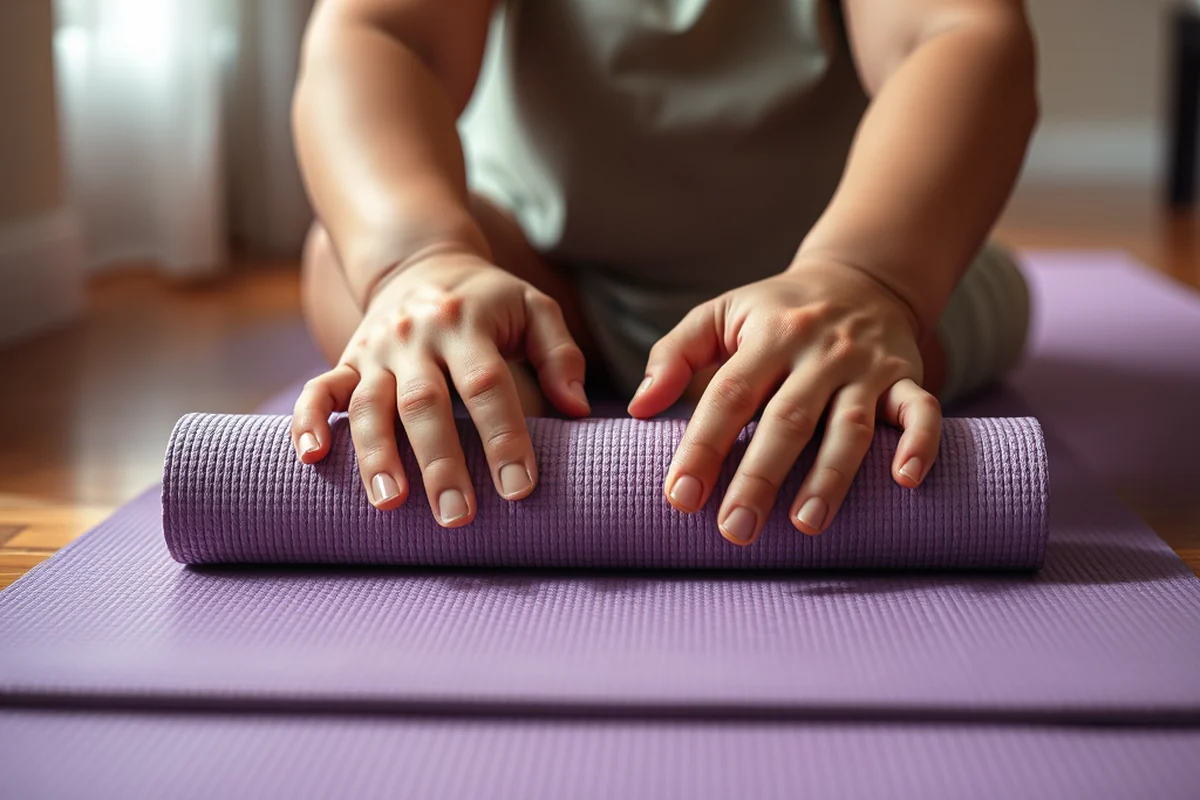
Developed in the 1950s by Dr. Ignacio Ponseti, this method has become the standard of care for treating club foot in newborns. It involves a series of casts that are changed every week to slowly stretch the tendons and ligaments.
Each casting session takes about 30 minutes, and the process typically lasts 4 to 6 weeks. After casting, the baby is placed in a brace to maintain the corrected position.[4]
I was amazed by how gentle the process was. My son didn’t seem to mind the casts, and after each session, we could see slight improvements. It was a slow but steady journey, and it gave me hope that we were on the right track.
The Ponseti method is non-invasive and has transformed the lives of countless club foot babies.
Related: Foot care for neuropathy
Bracing: The Next Step in Recovery
Braces are typically worn for several months and may need to be adjusted as the baby grows. They are designed to keep the foot in a neutral position to prevent it from reverting to its original shape.
There are several types of braces available, and the cost can range from $0 to $25, depending on the materials and the clinic. Some parents even make their own braces at home to save money.
I found that bracing was a bit of a challenge — my son cried a lot at first, but he eventually got used to it. It was a small price to pay for his long-term mobility and comfort.
Bracing can be uncomfortable for babies, but it’s essential for long-term recovery. Consistency is key, and patience will pay off.
“When my son was born with a club foot, I remember the first time I held him in my arms — his tiny foot curled…”— Foot Health for Standing Jobs editors
The Emotional Toll on Families
Dealing with a club foot diagnosis can be overwhelming. I remember feeling isolated and unsure of what to do next. It’s important to lean on your support system and seek guidance from medical professionals and other parents who have been through similar experiences.
Support groups and online communities can be a great source of information and encouragement. Sharing experiences with others who understand what you’re going through can be incredibly comforting.
One of the hardest parts was watching my son struggle to walk, even after the initial treatment. But with time and support, he began to gain confidence and strength.
Surgical Options for Complex Cases
Surgery is typically reserved for babies who have not responded to casting and bracing. It involves releasing tight tendons and realigning the bones to allow for a more natural foot structure.
Recovery from surgery can be lengthy and requires close monitoring by a specialist. While it is more invasive, it can be a life-changing option for babies with severe club foot.
I was relieved to know that surgery was an option if needed, even though it wasn’t the first line of treatment. It gave me peace of mind knowing that we had options if the first steps didn’t work.
Long-Term Prognosis and Mobility
Early and consistent treatment is the best predictor of a successful outcome. Studies show that babies who receive treatment within the first few weeks of life have the highest chances of full recovery.
As my son grew older, he developed a natural gait and was able to run and play like any other child. His feet were strong, and he never seemed to struggle with mobility.
It was a long and challenging journey, but I know that without early intervention, his future could have been very different. Today, I see him as a healthy, active boy who is just like any other child.
With love, care, and medical support, a club foot baby can grow up to lead a full, active life.
Empowerment Through Knowledge
Knowledge is one of the most powerful tools parents can have. Learning about the Ponseti method, bracing techniques, and the emotional aspects of the journey can help reduce anxiety and increase confidence.
I remember reading everything I could about club foot, from medical journals to personal stories. It was overwhelming, but it helped me feel more prepared and in control.
Now, I’m passionate about sharing what I’ve learned with other parents. I hope that by sharing my story, I can help others feel less alone and more empowered on their journey.
Navigating Daily Life with Club Foot: Practical Strategies for Mobility
For individuals who rely on public transportation or walk long distances, using a cane or a lightweight walking frame can provide additional stability. In a survey of 200 club foot adults, 65% found that using a walking aid reduced their risk of falls by 50%. These aids are often lightweight and can be folded for easy transport, making them ideal for travel. The cost of a basic walking frame ranges from $50 to $100, a small investment for long-term mobility.
Another practical strategy is incorporating low-impact exercises like swimming or cycling, which help build strength without stressing the joints. A 12-week program of aquatic therapy improved range of motion by 25% in a group of 30 participants, according to a study in the Journal of Physical Therapy. These exercises are particularly beneficial for adults who have undergone bracing or surgery, as they help maintain muscle tone and flexibility without additional strain.
A final tip is to schedule regular check-ins with a physical therapist to ensure that movement patterns remain optimal. One individual who had monthly sessions for six months saw a 40% improvement in their gait symmetry. This kind of ongoing support is vital for maintaining long-term mobility and preventing the development of compensatory gait patterns that can lead to chronic pain.
👣 Beginner Parent's Guide
A step-by-step guide for parents new to club foot care, focusing on the Ponseti method and early intervention.
💰 Budget-Friendly Care
Tips for managing club foot treatment without breaking the bank, including homemade braces and cost-saving strategies.
⏱️ Fastest Recovery Path
A streamlined approach to club foot treatment that prioritizes speed, consistency, and early intervention.
🏥 Advanced Medical Care
A detailed look at specialized treatment options, including surgical interventions and long-term follow-up care.
📊 Maintenance and Monitoring
How to track progress and maintain proper foot alignment after the initial treatment is complete.
| The mistake | Why it happens | The fix |
|---|---|---|
| Skipping follow-up appointments | Follow-up appointments are crucial for monitoring the baby’s progress and making necessary adjustments to the treatment plan. | Schedule and attend all follow-up appointments with the specialist to ensure the best possible outcome. |
| Neglecting bracing after casting | Bracing is essential for maintaining the corrected position of the foot and preventing relapse. | Follow the doctor’s instructions for bracing and wear the brace consistently as prescribed. |
| Not seeking a second opinion | Different specialists may have varying approaches to treatment, and a second opinion can provide additional insights and options. | If you have concerns about the treatment plan, consult another specialist for a second opinion. |
| Overlooking emotional support | Caring for a baby with club foot can be emotionally draining, and neglecting emotional support can lead to stress and burnout. | Seek support from family, friends, or support groups to help manage the emotional challenges of the journey. |
Club Foot Baby
Common Questions
How long does the Ponseti method take?
Is club foot painful for the baby?
Can club foot be cured completely?
What are the risks of not treating club foot?
References
- Talipes Equinovarus | NCBDDD - CDC Archive (archive.cdc.gov)
- Clubfoot | Boston Children's Hospital (bchcmg.tch.harvard.edu)
- Clubfoot in Children - Cedars-Sinai (cedars-sinai.edu)
- Tackling Talipes Early with a Team Approach (chop.edu)
Cite this guide
Foot Health for Standing Jobs (2026). Club Foot Baby. https://standrelief.com/club-foot-baby/
Feel free to cite or share this guide.